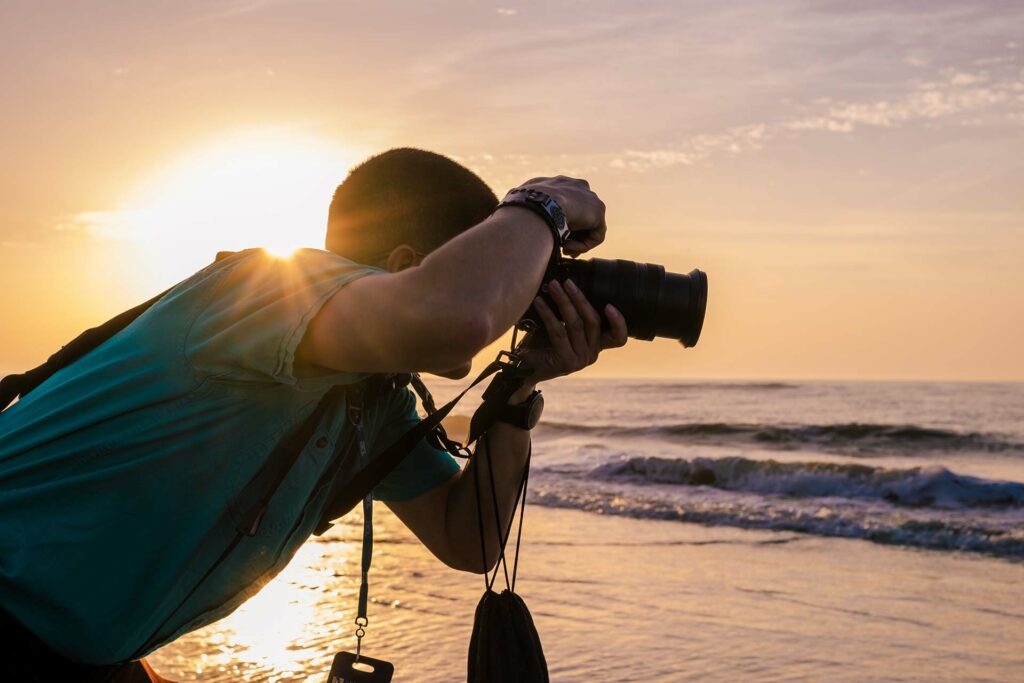
Photography is an art and a powerful medium that allows people to preserve moments, express creativity, and tell stories without words. From personal snapshots to professional shoots, photography captures the essence of life, creating lasting memories and conveying emotions that words alone cannot fully describe. It is both a practical tool for documenting experiences and a form of artistic expression, making it one of the most influential mediums in modern society.
At its foundation, photography is about memory preservation. Life is full of fleeting moments—weddings, birthdays, anniversaries, vacations, and even simple everyday experiences—that are precious and often temporary. Photography enables people to capture these moments and revisit them whenever they wish. A single photograph can evoke nostalgia, happiness, or even reflection, allowing individuals to relive the feelings and atmosphere of past experiences. Special events like weddings or graduations are often immortalized through photography, providing families and loved ones with keepsakes that can be cherished for years to come.
Photography is also a form of creative expression. Photographers use composition, light, color, perspective, and timing to convey a particular mood or narrative. Techniques like long exposure, black-and-white photography, macro shots, and aerial photography allow photographers to experiment and present familiar subjects in unique ways. Each photograph reflects the photographer’s vision, style, and emotional interpretation, transforming ordinary scenes into compelling visual stories. The combination of creativity and technical skill makes photography both an art and a craft that requires attention, practice, and imagination.
In addition to personal expression, photography serves as a vital medium for storytelling and communication. Photojournalists and documentary photographers capture real-life events, providing visual accounts that inform, educate, and inspire. A single image can communicate a complex story, reveal social issues, and evoke empathy in ways that written narratives sometimes cannot achieve. Social media platforms have further amplified photography’s power, allowing people to share their experiences instantly with a global audience. Images transcend language barriers and create universal understanding, connecting people across cultures and geographies.
Technological advancements have revolutionized photography, making it more accessible and versatile than ever. High-resolution digital cameras, smartphones, drones, and editing software allow photographers to capture and enhance images with precision and creativity. Digital photography enables instant review, post-processing, and easy sharing, while innovative techniques such as panoramic, 360-degree, and time-lapse photography provide new ways to see and interpret the world. Technology has democratized photography, giving professionals and amateurs alike the ability to create high-quality images that inspire and captivate.
Photography also plays a crucial role in professional and commercial contexts. Industries such as fashion, advertising, real estate, travel, and event management rely on professional images to attract audiences, communicate ideas, and showcase products. Wedding photographers, for example, document every significant moment—from the exchange of vows to candid expressions of joy—creating lifelong memories for couples. Similarly, product and commercial photography help businesses present their offerings in the most compelling and visually appealing way, reinforcing branding and engaging potential customers.
Another essential aspect of photography is that it enhances mindfulness and observation. Looking through a camera lens encourages people to notice details, lighting, textures, and patterns that may otherwise go unnoticed. Even casual photography fosters an appreciation for the world around us, transforming ordinary surroundings into subjects of beauty and significance. Photography encourages individuals to slow down, pay attention, and discover creative ways to capture their environment.
Finally, photography strengthens personal and social connections. Shared images create lasting bonds between family, friends, and communities, commemorating relationships and celebrating shared experiences. Printed albums, digital galleries, and framed photographs help preserve memories and allow them to be revisited, fostering a sense of continuity and belonging. Photography not only documents life but also brings people together, highlighting the moments that define our relationships and experiences.
In conclusion, photography is a powerful medium that preserves memories, tells stories, and captures the essence of life. It allows individuals to relive experiences, express creativity, and share emotions across time and space. From personal snapshots to professional projects, photography transforms fleeting moments into lasting visual treasures. By capturing the beauty, emotion, and meaning of life, photography ensures that memories are preserved for generations and continues to enrich human experience in profound ways.