
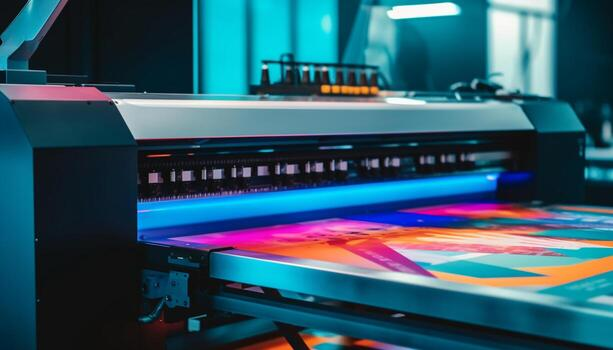
For years, digital media and print were framed as adversaries in a zero-sum game for consumer attention. The narrative suggested that screens would inevitably swallow paper whole, rendering traditional presses obsolete. Instead, a more collaborative and dynamic reality has emerged.
Today, advanced printing acts as the physical gateway to digital experiences, turning static pages and packaging into interactive, multimedia portals.
Bridging Dimensions with Near-Field Communication (NFC)
One of the most seamless ways modern printing connects to the digital realm is through embedded Near-Field Communication (NFC) tags and conductive printed antennas. By integrating microscopic chips directly into product packaging, labels, or event badges, manufacturers give physical objects a digital pulse.
When a consumer taps their smartphone against a wine bottle label or a luxury shoebox, an NFC-enabled circuit instantly transmits data without needing a visible barcode or app scan. This technology enables:
- Instant Authenticity Verification: High-end spirits, pharmaceuticals, and luxury fashion items use smart packaging to let buyers verify product serial numbers against secure blockchain ledgers with a single tap.
- Direct Reordering: A smart household cleaning product can feature a printed NFC tag that, when tapped, automatically opens a pre-filled cart on the retailer’s app to reorder supplies.
Augmented Reality Triggers on the Page
Augmented Reality (AR) has transformed how we visualize static imagery, and printed materials provide the perfect physical anchor for digital overlays. Standard print graphics can act as visual markers recognized by a smartphone camera, triggering immersive 3D animations, video tutorials, or interactive catalogs right on top of the paper.
Educational publishers use AR-enhanced printing to bring science textbooks to life—allowing students to view rotating 3D models of the solar system or human heart by holding their phone over a printed diagram. In real estate and architecture, luxury project brochures unfold into interactive neighborhood walkthroughs, blending high-end editorial design with spatial digital rendering.
Conductive Inks and Paper Circuits
Moving beyond triggers and chips, the integration of conductive carbon and silver nanoparticle inks allows designers to print actual electronic pathways directly onto paper stock. Combined with tiny, surface-mount LEDs and micro-controllers, a printed page can literally light up, play sound clips, or respond to touch capacitive inputs.
Greeting cards that play custom audio messages or promotional brochures featuring illuminated brand logos demonstrate how print is reclaiming sensory real estate. These interactive elements don’t mimic screens; they enhance the tactile appeal of paper with responsive digital magic.
The Coexistence of Mediums
The evolution of interactive print proves that the physical page doesn’t need to compete with the digital screen—it can host it. By merging the tactile reassurance of paper with the infinite depth of the internet, modern printing creates a richer, multi-sensory brand experience that neither medium could achieve entirely on its own.