
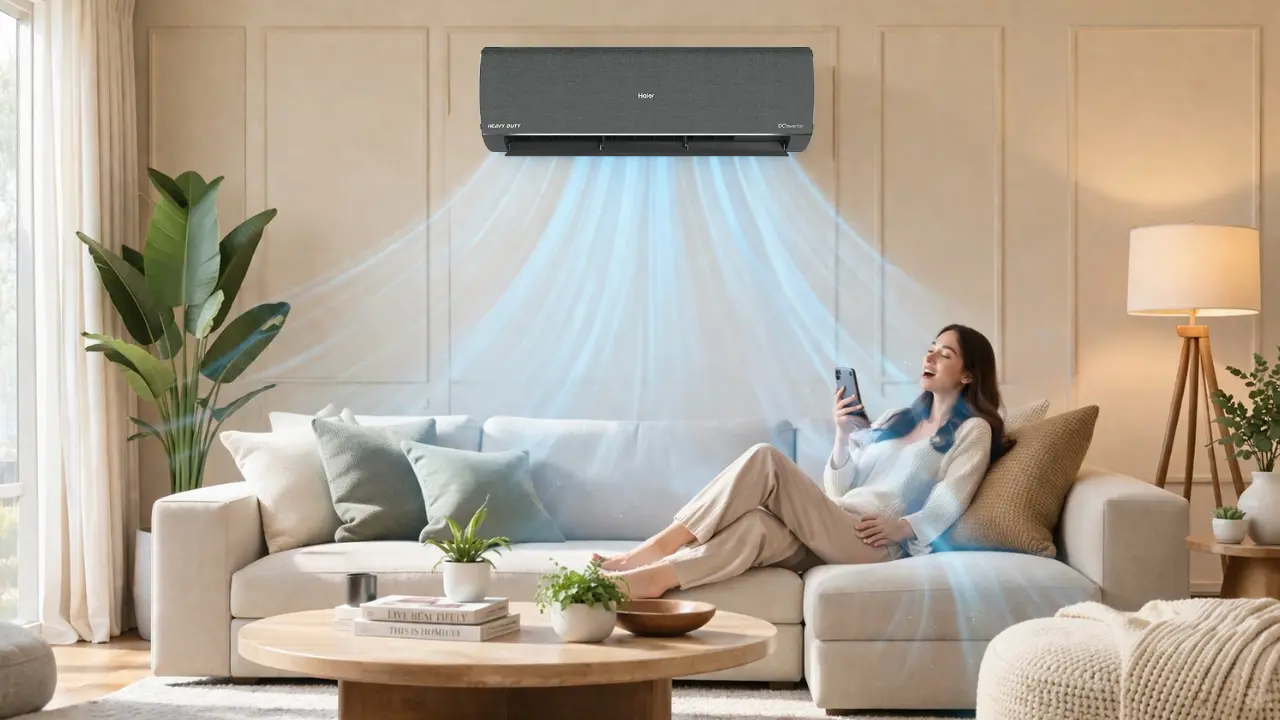
AC, short for air conditioning, is an essential system in modern homes, offices, vehicles, and commercial buildings. The keyword “ac” refers to technology designed to regulate indoor temperature, humidity, and air quality to create a comfortable living or working environment. As global temperatures rise and energy efficiency improves, AC systems have become a standard feature in most buildings around the world.Looking for a heating and air contractor Greensboro contact Triple A Heating & Cooling.
One of the primary functions of an AC system is cooling indoor spaces. During hot weather, air conditioners remove heat from inside a room and release it outside, maintaining a comfortable temperature indoors. This cooling effect helps prevent heat-related discomfort and improves productivity, sleep quality, and overall well-being.
Modern AC systems also play a role in humidity control. High humidity can make indoor environments feel uncomfortable and encourage the growth of mold and bacteria. Air conditioners reduce moisture in the air, helping maintain a balanced indoor climate. This is especially important in tropical and humid regions where excess moisture is common.
There are several types of AC systems available to suit different needs. Window AC units are compact and commonly used in single rooms. Split AC systems consist of an indoor and outdoor unit and are popular for residential use due to their quiet operation and efficiency. Central AC systems are designed for larger buildings and provide consistent cooling across multiple rooms through ductwork.
Portable AC units are another option for flexible cooling. These systems can be moved from room to room and are ideal for temporary or small-space cooling needs. While not as powerful as central systems, portable AC units offer convenience and ease of installation.
Energy efficiency is an important consideration when choosing an AC system. Modern air conditioners are designed with energy-saving technologies such as inverter compressors, programmable thermostats, and eco-friendly refrigerants. These features help reduce electricity consumption and lower utility bills while maintaining optimal cooling performance.
Regular maintenance is essential for keeping an AC system running efficiently. Tasks such as cleaning filters, checking refrigerant levels, and inspecting components help prevent breakdowns and extend the lifespan of the unit. Neglected AC systems can become less efficient, consume more energy, and provide poor cooling performance.
Indoor air quality is another important benefit of AC systems. Many modern units include air filters that remove dust, pollen, and other airborne particles. Some advanced systems also include purification features that help reduce allergens and improve overall air quality, making indoor environments healthier.
Smart AC technology has become increasingly popular in recent years. Many systems can now be controlled through smartphones, voice assistants, and smart home platforms. Users can adjust temperature settings remotely, schedule cooling cycles, and monitor energy usage for better efficiency and convenience.
Proper installation of an AC system is critical for performance and durability. Professional technicians ensure that units are correctly sized, positioned, and connected. Improper installation can lead to inefficient cooling, higher energy costs, and frequent maintenance issues.
Environmental concerns have also influenced the development of modern AC systems. Manufacturers are increasingly using eco-friendly refrigerants and designing energy-efficient models to reduce environmental impact. Sustainable cooling solutions are becoming a priority as demand for air conditioning continues to grow globally.
AC systems are widely used in both residential and commercial settings. In homes, they provide comfort for families and improve quality of life. In offices, they enhance productivity by maintaining a stable working environment. In commercial spaces such as malls, hotels, and restaurants, AC systems ensure a pleasant experience for customers and guests.
Choosing the right AC system depends on factors such as room size, budget, energy efficiency, and cooling requirements. Consulting with a professional technician can help determine the most suitable option for a specific space.
In conclusion, AC systems are a vital part of modern living, providing comfort, improving air quality, and supporting healthier indoor environments. The keyword “ac” represents a technology that continues to evolve with advancements in energy efficiency, smart controls, and environmental sustainability. Whether in homes, workplaces, or public spaces, air conditioning plays a key role in enhancing comfort and quality of life.