
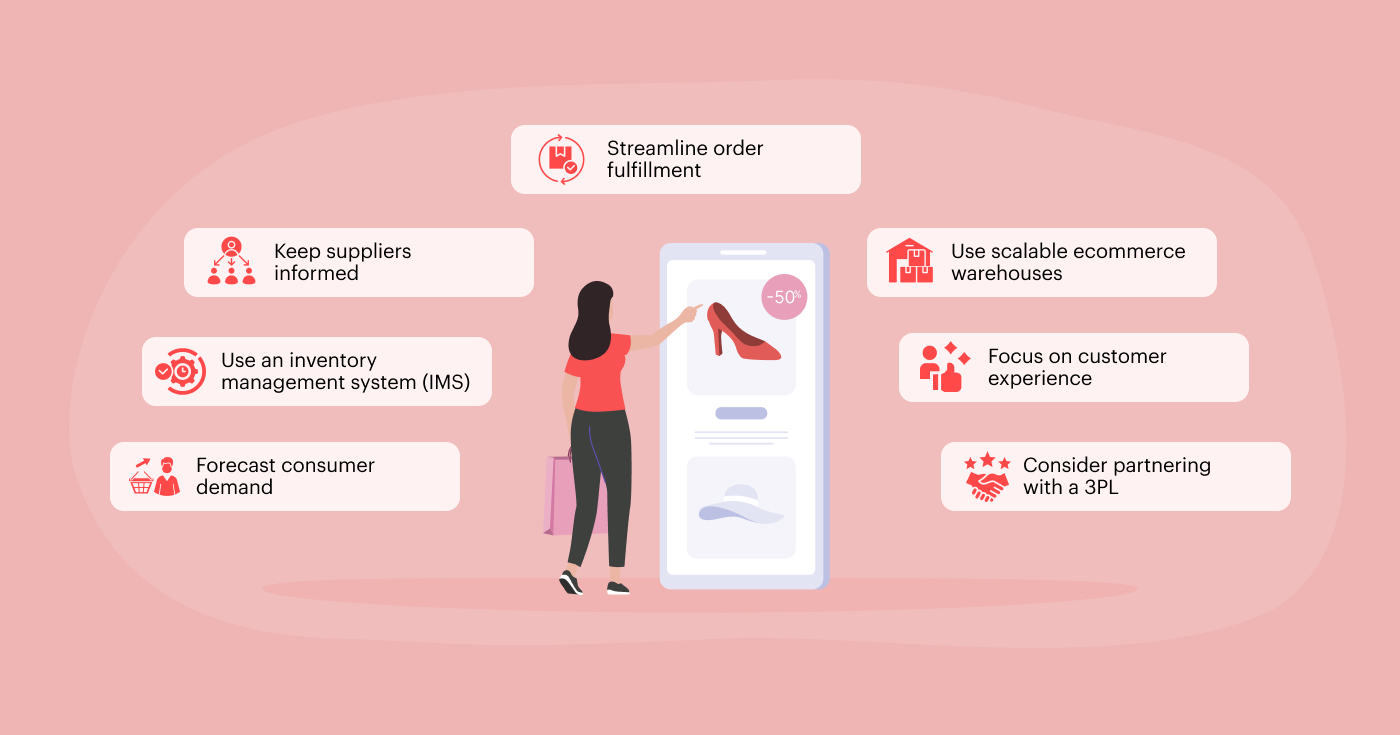
As online businesses expand, making decisions based on assumptions becomes increasingly risky. https://www.neonpanel.com/forecasting-planning demonstrates how structured forecasting and planning help eCommerce businesses improve inventory management, optimize purchasing decisions, and prepare for future demand with greater confidence. Instead of reacting to problems after they occur, businesses can use forecasting to anticipate market changes and plan their operations more effectively.
Forecasting and planning are no longer reserved for large enterprises. Whether you’re an Amazon FBA seller or a growing multi-channel retailer, accurate planning can reduce operational costs, improve cash flow, and support long-term growth. Modern planning tools combine historical sales, inventory levels, supplier lead times, and business trends to create actionable forecasts that guide smarter decision-making.
Understanding Forecasting and Planning
Forecasting is the process of estimating future demand using historical data, seasonal trends, and market insights. Planning takes those forecasts and converts them into actionable business strategies, such as determining inventory purchases, allocating budgets, and scheduling replenishment.
Although closely related, forecasting and planning serve different purposes. Forecasting predicts what is likely to happen, while planning determines how a business should respond to those predictions. Together, they provide a framework for making informed operational and financial decisions.
Reducing Inventory Problems
Inventory is one of the largest investments for many eCommerce businesses. Poor planning can result in stock shortages that reduce sales or excess inventory that increases storage costs and ties up working capital.
Accurate forecasting allows businesses to estimate future demand and purchase inventory accordingly. By understanding expected sales volumes, companies can maintain healthier stock levels while minimizing unnecessary inventory expenses.
This balanced approach helps businesses improve customer satisfaction because products remain available when customers are ready to buy.
Improving Cash Flow Management
Cash flow is critical for sustainable business growth. Purchasing too much inventory limits available capital, while purchasing too little can result in missed sales opportunities.
Forecasting enables businesses to align purchasing decisions with projected demand. This improves inventory turnover and ensures financial resources are invested where they generate the greatest return.
Better planning also allows business owners to prepare for seasonal sales spikes, promotional campaigns, and supplier lead times without placing unnecessary pressure on cash flow.
Making Better Business Decisions
Modern businesses generate enormous amounts of operational data. Sales history, inventory performance, advertising costs, shipping expenses, and supplier information all influence business outcomes.
Planning software transforms this information into useful insights that support better decision-making. Instead of relying on intuition, managers can evaluate trends, compare scenarios, and identify opportunities using accurate data.
According to NeonPanel, unified operational data allows businesses to make faster decisions by eliminating the delays caused by fragmented systems and manual reconciliation.
Supporting Business Growth
Growth introduces new operational challenges. As businesses expand into additional marketplaces or increase their product catalog, manual planning methods become increasingly difficult to manage.
Automated forecasting systems continuously update demand projections and inventory recommendations, helping businesses scale without significantly increasing administrative workload.
These systems also improve collaboration between purchasing, finance, warehouse, and operations teams by providing a shared view of future inventory requirements and business priorities.
Preparing for Market Changes
Customer demand rarely remains constant throughout the year. Holidays, promotions, seasonal trends, and changing consumer preferences all influence purchasing behavior.
Forecasting helps businesses anticipate these fluctuations before they occur. Instead of reacting to unexpected demand, companies can prepare inventory, staffing, and logistics well in advance.
This proactive approach reduces operational disruptions while improving customer satisfaction during peak selling periods.
Enhancing Operational Efficiency
Effective planning extends beyond inventory management. Businesses can also use forecasts to optimize warehouse capacity, shipping schedules, staffing requirements, and purchasing cycles.
Automation reduces repetitive manual work while improving reporting accuracy. Teams spend less time maintaining spreadsheets and more time focusing on strategic initiatives that contribute to business growth.
As operational complexity increases, integrated planning systems become even more valuable because they provide consistent, real-time information across every department.
Conclusion
Forecasting and planning are essential components of a successful eCommerce strategy. Businesses that accurately predict demand and plan their operations accordingly are better positioned to reduce costs, improve inventory performance, and increase profitability.
Solutions like NeonPanel help transform historical business data into practical planning insights, enabling Amazon sellers and online retailers to make confident decisions based on reliable information rather than guesswork. As competition in eCommerce continues to grow, investing in effective forecasting and planning processes can provide a significant competitive advantage while supporting sustainable long-term success.